

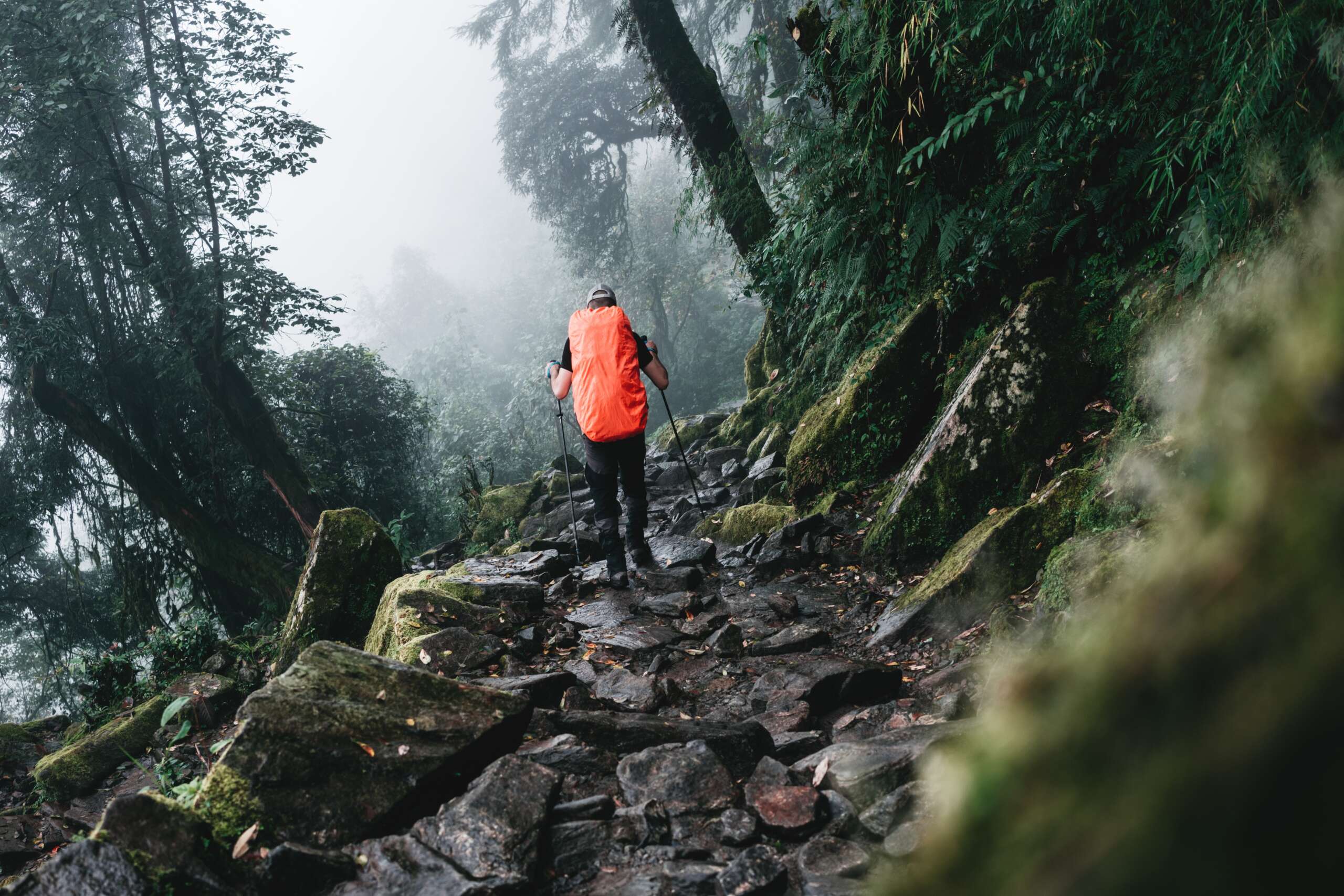

Hiking is one of the simplest ways to experience a landscape properly. A good trail does more than lead to a viewpoint. It changes the pace, brings terrain into focus and turns distance into part of the story.
This selection brings together 10 hiking routes across alpine lakes, coastlines, glaciers, volcanic terrain, canyons and historic paths. Some are short day hikes. Others require permits, fitness and careful planning. The common thread: each route offers a strong reason to slow down and move through nature on foot.
Key Takeaways
- Some of the most memorable hiking routes are short and accessible, while others require permits, fitness and several days of planning – check out the best hiking trails in the world to find the right one for you.
- Trails such as the Inca Trail, Colorado Trail and Big Pine Lakes require careful preparation because of altitude, distance, weather or access rules.
- Popular places like the Fairy Pools or Mount Bromo show why visitor management, local conditions and responsible travel matter.
- Before travelling, hikers should check official park, tourism or trail authority information for permits, closures, weather and safety updates, and choose the right equitment.
1. Big Pine Lakes / North Fork Big Pine Creek Trail, California, USA
Location: John Muir Wilderness / Inyo National Forest, California
Best time to go: July to September
Best for: Alpine lakes, Sierra Nevada scenery, demanding day hikes or overnight trips
Planning level: Medium to high, depending on route length and whether you stay overnight
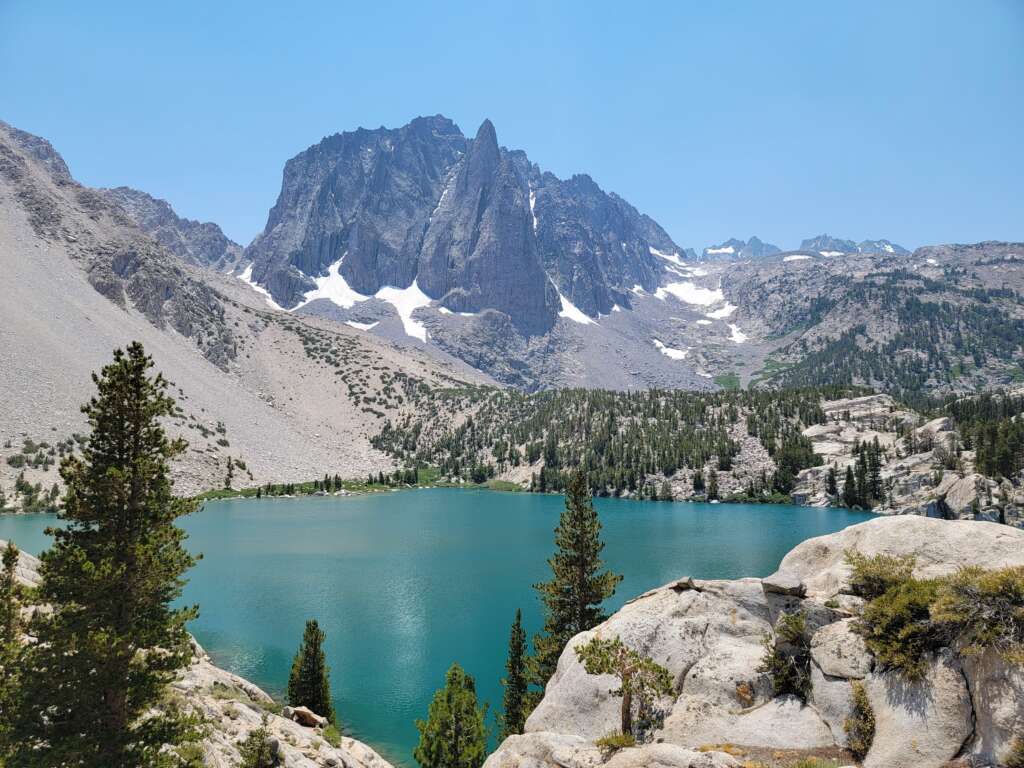
Big Pine Lakes is one of the most striking hiking areas in California’s Eastern Sierra and one of the best hiking trails in the world. The route leads into high alpine terrain, with clear blue lakes, granite peaks and views shaped by the Palisades region of the Sierra Nevada.
The wider area sits within Inyo National Forest, which stretches across parts of California and Nevada and includes several designated wilderness areas, including the John Muir Wilderness. The North Fork of Big Pine Creek is also closely connected to this alpine lake landscape.
For day hikers, the route can be demanding because of distance, elevation and exposure to mountain weather. For overnight trips, wilderness permit rules should be checked before planning the route.
Why it stands out:
Big Pine Lakes is a strong choice for hikers who want a full mountain experience without turning the trip into a technical climb. It offers the visual reward of an alpine lake route, but still requires preparation, fitness and respect for high-altitude conditions.
2. Beehive Trail, Acadia National Park, USA
Location: Acadia National Park, Mount Desert Island, Maine
Best time to go: Late spring to autumn, depending on weather and trail conditions
Best for: Coastal views, exposed hiking, short but intense routes
Planning level: Medium
The Beehive Trail is short, but it should not be underestimated. Acadia National Park has more than 150 miles of hiking trails, ranging from coastal walks to exposed mountain routes. The National Park Service also notes that even Acadia’s lower mountains can involve steep climbs from sea level.
Beehive is known for steep granite sections, iron rungs, exposed terrain and one of the best hiking trails in the world. That makes it more adventurous than many hikes of similar distance. It is not ideal for hikers who are uncomfortable with heights, wet rock or narrow passages.
Why it stands out:
Beehive compresses a lot of outdoor experience into a short route: ocean air, granite, exposure, physical effort and wide views over Acadia’s coastal landscape.

3. Colorado Trail, Colorado, USA
Location: From near Denver to Durango, Colorado
Best time to go: Mainly July to September, depending on snow and altitude
Best for: Long-distance hiking, mountain landscapes, multi-day adventure
Planning level: High for through-hikes; medium for individual segments
The Colorado Trail is not a casual day route. It is a long-distance trail running from the Denver area to Durango and crosses some of Colorado’s most mountainous terrain. The route is commonly listed at around 486 miles, with its highest point above 13,000 feet and large sections at high altitude.
For most hikers, the best way to experience it is not necessarily the full route, but a selected segment. The Waterton Canyon start near Denver is often used as an accessible entry point, while more remote sections offer a stronger backcountry feel.
Why it stands out:
The Colorado Trail is less about one viewpoint and more about scale and one of the best hiking trails in the world. It gives hikers a way to understand the Rocky Mountains through distance, weather, elevation and changing terrain.
4. Campuhan Ridge Walk, Ubud, Bali, Indonesia
Location: Ubud, Bali
Best time to go: April to October; sunrise or late afternoon is often more comfortable
Best for: Short scenic walks, soft adventure, cultural landscape
Planning level: Low
Campuhan Ridge Walk is different from the big mountain routes on this list. It is shorter, more accessible and closely connected to the cultural landscape of Ubud. The route follows a ridge between green valleys and is often used as a gentle walk rather than a serious trek.
The Campuhan area also has cultural relevance in Ubud. Local history connects the area with the confluence of two rivers and the Gunung Lebah Temple, which remains part of Ubud’s cultural landscape.
Its value lies in pace. Early morning or late afternoon gives the route a quieter feel, with softer light and less heat. It is a good reminder that not every memorable hike needs high altitude or extreme distance.
Why it stands out:
Campuhan Ridge is a strong option for travellers who want movement, scenery and a sense of place without a full-day mountain commitment.
5. Fairy Pools, Isle of Skye, Scotland
Location: Glen Brittle, Isle of Skye, Scotland
Best time to go: Late spring to early autumn, with weather and access conditions checked in advance
Best for: Waterfalls, mountain scenery, short walks
Planning level: Low to medium, depending on visitor pressure and weather
The Fairy Pools are a series of natural pools and waterfalls in Glen Brittle on the Isle of Skye, close to the Cuillin mountains, and one of the best hiking trails in the world. The walk from the car park is relatively short, but the site has become extremely popular with visitors in recent years.
That context matters. The Fairy Pools are beautiful, but they are not an untouched secret. Travellers should plan around weather, parking, road conditions and local guidance, especially in peak season. Recent reporting has also highlighted pressure on local infrastructure around the site.
Why it stands out:
The appeal is immediate: cold mountain water, small cascades, dark rock and the wider Skye landscape. The better experience comes from visiting responsibly and avoiding the busiest times where possible.
6. Baird Glacier, Alaska, USA
Location: Northeast of Petersburg, Alaska
Best time to go: May to September
Best for: Glacier landscapes, remote Alaska travel, guided or access-dependent hikes
Planning level: High
Baird Glacier is not a typical marked hiking trail. It is a valley and outlet glacier connected to the Boundary Ranges and Thomas Bay, northeast of Petersburg in Southeast Alaska. The glacier is often accessed from the Petersburg area by boat or local operators, depending on conditions.
That makes it less predictable than a national park day hike, but also part of its appeal. The experience is shaped by Southeast Alaska itself: ice, water, wildlife, changing weather and the scale of the surrounding landscape.
Travellers should confirm access, safety conditions and local guidance before attempting any glacier-area hike. Glacier terrain can change quickly, and local knowledge is essential.
Why it stands out:
Baird Glacier offers a very different kind of hiking experience: less about covering distance, more about entering a remote glacial environment with the right support and preparation. With its impressive landscape it is one of the best hiking trails in the world.
7. Peña de Bernal, Querétaro, Mexico
Location: Bernal, Querétaro, Mexico
Best time to go: November to March for milder conditions
Best for: Cultural landscape, rock formations, short but steep hiking
Planning level: Medium
Peña de Bernal is a major monolith near the town of Bernal in Querétaro. It is often described as one of the tallest monoliths in the world, although exact global rankings should be treated carefully because they often come from tourism sources rather than consistent geological classification.
The hike is relatively short but steep, and the upper sections can be more exposed. For many visitors, the route is as much cultural as physical. The town, the rock, the surrounding landscape and local traditions are part of the experience.
Why it stands out:
Peña de Bernal combines outdoor movement with geology and place identity. It is not a wilderness trek, but it is a memorable hike for travellers interested in landscapes with cultural weight and one of the best hiking trails in the world.
8. Saklıkent Gorge, Turkey
Location: Saklıkent National Park, southwestern Turkey
Best time to go: Late spring to summer, depending on water levels
Best for: Gorge walking, hot-weather escapes, canyon landscapes
Planning level: Medium
Saklıkent Gorge is located in Saklıkent National Park in southwestern Turkey. The canyon is commonly described as around 18 kilometres long and up to 300 metres deep, with deeper sections most accessible in summer after snowmelt has passed through the area.
The route is less like a classic mountain hike and more like a canyon walk. Visitors may move along platforms and through cold water, depending on conditions and which sections are open. Footwear, water levels and local safety instructions matter.
Why it stands out:
Saklıkent is a strong example of how hiking can be shaped by water and rock rather than summit views. It is physical, cooling and highly dependent on season but still one of the best hiking trails in the world.
9. Mount Bromo, East Java, Indonesia
Location: Bromo Tengger Semeru National Park, East Java
Best time to go: April to October, with volcanic activity and access checked before travel
Best for: Volcanic landscapes, sunrise viewpoints, active geology
Planning level: Medium to high
Mount Bromo is one of Indonesia’s most recognisable volcanic landscapes. It sits within Bromo Tengger Semeru National Park and rises from the Tengger Sand Sea, a protected volcanic sand plain inside the wider caldera landscape.
Because Bromo is an active volcano, travellers should not treat this as a simple scenic walk. Volcanic activity, weather, park rules and local safety restrictions can change the experience quickly.
Why it stands out:
Mount Bromo gives hikers direct access to a landscape shaped by active geology. It is visually powerful, but it should be approached with respect for local rules and natural risk.
10. Inca Trail to Machu Picchu, Peru
Location: Cusco region, Peru; ending near Machu Picchu
Best time to go: Dry season, commonly May to October
Best for: Multi-day trekking, cultural history, high-altitude hiking
Planning level: High
The classic Inca Trail is one of the world’s most famous trekking routes for a reason. It combines mountain terrain, cloud forest, Inca archaeological sites and the approach to Machu Picchu through Inti Punku, the Sun Gate.
The classic route is commonly described as around 42 kilometres, with its highest point at Warmi Wañusqa, also known as Dead Woman’s Pass, at around 4,215 metres. Access is regulated, and advance booking is essential because permits are limited.
The route requires preparation. Altitude can be a serious factor for hikers who have not acclimatised, and Machu Picchu itself is a protected cultural site with visitor management rules. Recent changes to Machu Picchu access have also reinforced the importance of booking the correct route and entry in advance.
Why it stands out:
The Inca Trail is not only a hike to a famous site and one of the best hiking trails in the world. It is a cultural and physical route through a landscape where history, altitude and movement are closely connected.
How to Choose the Right Hiking Trail
The right hiking trail depends less on reputation and more on fit although it might be one oft the best hiking trails in the world. A short exposed route can be more demanding than a long flat walk. A famous trail can be less enjoyable if the season, access or crowd levels are wrong.
Before choosing a route, check four things.
1. Terrain
Is the route coastal, alpine, volcanic, glacial, forested or canyon-based? Terrain changes how the trail feels and what equipment you need.
2. Commitment
Is it a one-hour walk, a full-day hike or a multi-day trek with permits? The more remote the route, the more planning it usually requires.
3. Risk Factors
Altitude, heat, exposure, water levels, volcanic activity and weather can change the difficulty quickly. Check local information before you go.
4. Local Impact
Popular outdoor places depend on responsible visitors. Stay on trails, respect local rules and avoid creating pressure on fragile landscapes or communities.
FAQ
What are the best hiking trails in the world?
There is no single definitive list. The best hiking trails in the world depend on fitness, season, landscape preference and travel style. Routes such as the Inca Trail, Colorado Trail, Big Pine Lakes, Mount Bromo and the Fairy Pools are memorable for different reasons: history, scale, alpine scenery, volcanic terrain or accessibility.
Which hiking trails are good for beginners?
Campuhan Ridge Walk and the Fairy Pools are among the more accessible routes on this list, although weather, heat, road access and crowding still matter. Beginners should start with shorter routes, check local conditions and avoid exposed terrain if they are unsure.
Which trails require the most planning?
The Inca Trail, Colorado Trail, Big Pine Lakes and Baird Glacier require more preparation. Permits, altitude, route distance, weather, access logistics and safety conditions should be checked before travel.
When is the best time to plan a hiking trip?
The best time depends on the region. Mountain routes often work best in summer or early autumn, while hot-weather destinations may be more comfortable in shoulder seasons. Always check official local guidance before finalising travel dates.
Why should hikers check official sources before travelling?
Trail conditions change. Closures, permits, weather, volcanic activity, road access and conservation rules can affect whether a route is safe or even open. Official park, trail and tourism sources should be checked before publication and before travel.
