


You know the feeling: you just want to go hiking — and suddenly the internet turns into an endless gear catalog. New fabrics, new shoes, new packs, new so-called must-haves. At the same time, experienced hikers often say the exact opposite: bring less, make better choices, and focus on comfort where it really matters.
We took a closer look at what the outdoor industry and trail community are actually talking about when it comes to hiking gear right now. To do that, we analyzed several current YouTube gear guides and hiker roundups and identified the patterns that can genuinely help you on your next trip: carry less weight, layer more intelligently, sleep drier, and stay safer on the trail — without getting lost in the hype.
One important note: this is not a “buy everything new” article. The common thread across the videos is clear: function, durability, and repairability matter more than status and logos. And yes, style plays a role right now too — but only if it does not leave you standing in the rain or blow up your budget.
How We Identified These Trends (Scope & Methodology)
For this article, we evaluated seven videos from the gear and outdoor space, including gear guides, gear awards, and hiker surveys conducted after 500 to 2,000 miles on trail. Instead of simply repeating individual opinions, we looked for recurring themes and decisions: What gets mentioned repeatedly? Where do the trade-offs show up between weight and comfort, or between price and durability? And which topics appear both in industry and fashion conversations and in real trail practice?
That is why the trends below are intentionally practical. The goal is not to sell you more products, but to show what these developments actually mean for your next trip — and how to apply them in a useful, realistic way to your hiking gear setup.
Trend 1: Ultralight Is Here to Stay — But It’s Becoming More Practical
Ultralight remains the strongest recurring trend across multiple videos. That applies to tents, backpacks, quilts, sleeping pads, and rain gear. What is changing is not the push for “lighter at all costs,” but rather the desire for less weight combined with better everyday usability. In gear awards, for example, ultralight backpacks are described not just as lightweight, but also as affordable and durable. In the hiker roundups, the same pattern appears: many people are reducing clothing and unnecessary extras because every additional pound is immediately noticeable on long days.
The key point is this: ultralight only works well when your whole system makes sense. If you only make one or two parts of your hiking gear lighter, you may actually create new problems — like a backpack that is too small, not enough weather protection, or a sleep setup that no longer fits your needs.
Make it practical: write out your full packing list and remove duplicate functions. One guide put it perfectly: “Buy your backpack last and get all of your gear first.” Build the rest of your setup first, then choose the pack that fits it. Save weight mainly on smaller items — not on safety, weather protection, or sleep quality.
Trend 2: Tarps and Single-Wall Shelters Are Gaining Ground — With Real Trade-Offs
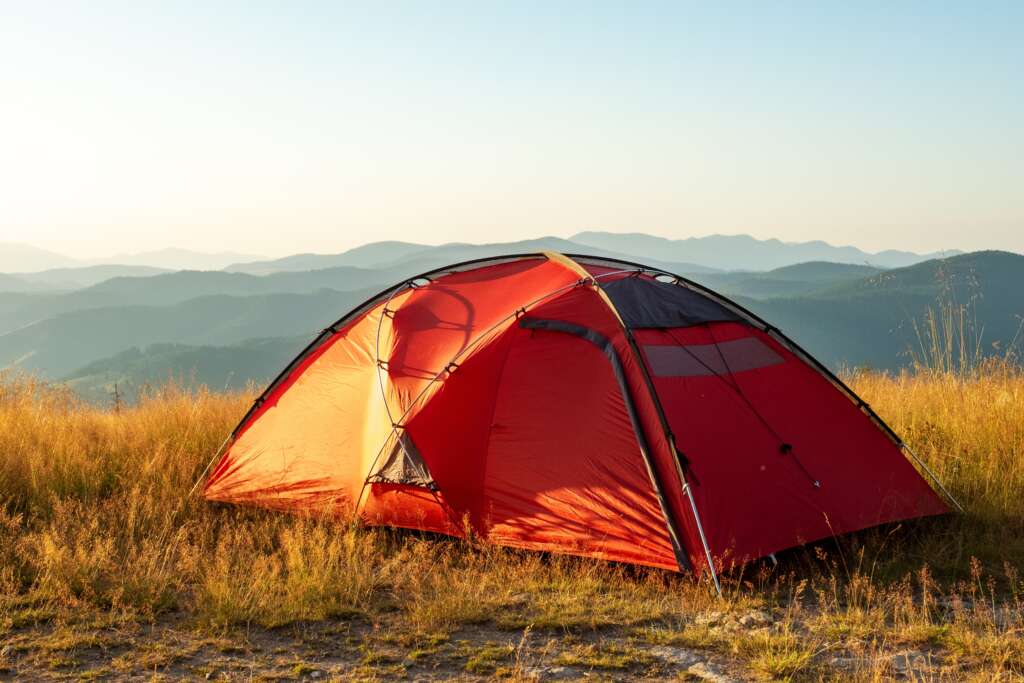
When it comes to shelters, two directions stand out right now: more tarp setups because of their low weight and flexibility, and more single-wall tents because they also save weight. At the same time, one issue comes up again and again in hiker roundups: condensation.
That is not a dealbreaker, but it is something you need to know how to manage. If you are coming from a traditional freestanding tent, switching to a tarp or single-wall shelter can feel like a real adjustment. You need more routine when pitching, better judgment when choosing camp spots, and more awareness around ventilation and moisture.
If you are still fairly new, a well-ventilated tent is often the better place to start before experimenting with tarps. If you use a single-wall tent, make room in your routine for drying it out — either in the morning or during longer breaks. And if you want to test a tarp, practice knots and different setup styles in the park before relying on it in a storm.
Trend 3: Layering Instead of Looking for One Jacket That Does Everything
One idea appears very clearly across several guides: stop looking for that one perfect do-it-all jacket. Warmth does not come from a miracle outer shell — it comes from a good layering system. The jacket is primarily your protective shell; the warmth comes from the layers underneath.
That may not be a new concept, but right now it is increasingly treated as a skill rather than just a buying decision. If you understand layering well, you get more out of your hiking gear, sweat less, stay drier, and can adapt much more easily to changing conditions.
Merino is frequently mentioned as a strong baselayer material because of its odor control and temperature regulation. Midlayers like fleece and sun hoodies show up consistently across hiker videos. And when it comes to shells, lightweight, breathable options with good ventilation — such as pit zips — are clearly preferred. One line sums it up well: “Master layering and you will be comfortable no matter the weather.”
Trend 4: Puffy Jackets and Lightweight Wind/Rain Layers Dominate Real Use

If you want to know what people are actually wearing out on trail, the hiker roundups are revealing. Puffy jackets — whether down or synthetic — appear everywhere in post-500-mile and post-2,000-mile gear discussions. Not because they are trendy, but because they deliver instant warmth for very little weight and make a huge difference during breaks and at camp.
At the same time, the approach to rain gear is highly practical: ultralight rain jackets, wind shirts, and sometimes even very simple backup options like ponchos. The message is not “cut corners on weather protection,” but rather: build your hiking gear around the way you actually hike.
For day hikes, a wind shirt plus a lightweight rain jacket may be enough if you pay attention to the forecast. For multi-day trips, it is worth investing in a shell you genuinely like wearing — because even the best jacket is useless if it stays in your pack. And for colder conditions, a puffy is often the single best upgrade for camp and rest stops.
Trend 5: Trail Runners vs. Boots — Comfort Is Winning, But Context Still Matters
This debate is nothing new, but the balance is clearly shifting. Trail runners are favored in many guides because they are lighter, more flexible, and dry faster. In the hiker videos, certain trail runner and running shoe models show up repeatedly, often along with very honest comments about wear and tear and the need to replace them after certain distances.
That does not mean hiking boots are obsolete. It means you need to choose the right category for your terrain, your pack weight, and your feet. Boots can still make sense if you carry heavy loads or want maximum stability. Trail runners shine when you are hiking light and want to stay nimble and comfortable.
If you want to switch, do it gradually. Start with day hikes, then work up to longer trips. And if you are planning long-distance hikes, durability matters — multiple pairs of shoes are completely normal. Another useful detail from some videos: sock strategies such as toe socks combined with regular socks are explicitly mentioned as an effective tool against blisters.
Trend 6: Navigation Is Becoming Offline-First
Outdoor navigation today is less about “map vs. GPS” and more about smartphones, offline maps, and route inspiration from communities. In the videos, apps with offline functionality and platforms with community-based route recommendations are repeatedly presented as the standard. The crucial factor is offline use — because many of the best trails are exactly where you lose signal.
For your hiking gear, that means navigation is no longer just about hardware. It is also about preparation. Download your maps ahead of time, save your route offline, and mark alternatives. At the same time, think about your power management. In gear awards, USB-C compatibility, ease of use, and reliable power banks or headlamps also come up as clear priorities.
In practical terms: download maps before the trip, save the route, and set up alternatives. On the trail, use airplane mode and check your route only when needed instead of tracking everything continuously. And as a backup, even a simple written note with your starting point, key junctions, and general route line can be incredibly helpful if technology fails.
Trend 7: Satellite Communication Is Becoming a Real Safety Category
For more remote trips, another clear pattern appears: dedicated satellite devices such as inReach-style communicators are increasingly described as a meaningful safety standard. The advantage is obvious: they still work where there is no cell signal and allow SOS communication in emergencies.
Of course, that does not make them essential for every casual outing. But it does show how safety is evolving within hiking gear. More and more people prefer carrying one small device rather than relying entirely on cell coverage or luck.
Especially on solo hikes or in more remote areas, check-ins and SOS features can be extremely valuable. If you are unsure, testing one first can be a smart move — some videos also mention rental options. Still, the bigger point remains: safety is never just one gadget. It is always a mix of gear, planning, and communication.
Trend 8: Value for Money Matters More — Affordable Brands Are Fully Accepted
One interesting reality check from the hiker interviews: cheaper brands are not just tolerated — they are actively recommended in some cases. Examples like Decathlon or simple lower-cost functional items are described as much cheaper than major brands, often with the same conclusion: they get the job done.
At the same time, one industry and fashion-focused video criticizes the way some outdoor brands increasingly lean into style and trend cycles. That can drive prices up and encourage more consumption without necessarily improving quality.
For you, that means good hiking gear does not automatically have to be expensive. But you do need to decide consciously where to save and where not to. Budget options can work perfectly well for basics like shirts or shorts. But when it comes to your sleep system, weather protection, or safety-related items, spending more strategically often makes sense. Once again, fit and comfort matter more than brand prestige.
Trend 9: Repair, Reproof, Reuse
A strong countertrend to constant gear shopping is the return of maintenance and repair. Reproofing, small repairs, replacing insoles instead of buying new shoes, and brand repair programs all show up more visibly across multiple videos. One contributor even points out very directly that many supposedly “failed” waterproof garments are not broken at all — they just have not been maintained properly.
When it comes to hiking gear, this is one of the highest-return trends out there. You save money, reduce waste, and keep proven pieces in use for much longer. And often, it does not take much: cleaning, reproofing, patching small tears, and checking whether something really needs to be replaced before you buy new.
If your rain jacket is wetting out, your first move should not automatically be replacing it. In many cases, cleaning and reapplying DWR treatment makes a big difference. The same goes for shoes: before replacing them, check the insoles, lacing setup, and overall maintenance. And a small repair kit with tape or patches can genuinely save a trip.
Trend 10: Sustainability and PFAS — More Awareness, Fewer Empty Claims
Several videos also raise the topic of PFAS — persistent chemicals that have been used in waterproof gear and are increasingly linked to environmental and health concerns. At the same time, the message is nuanced: there are clear developments toward PFAS-free alternatives, but the situation is not always easy for consumers to understand yet.
There is also broader criticism around textile waste and overconsumption. The message behind it is simple: outdoor gear is not automatically sustainable just because it is marketed with nature imagery. People are asking more critical questions about how hiking gear is made, how long it lasts, and whether it can be repaired.
If you are buying new gear, it is worth actively asking about PFAS-free options and repairability. If you already own a lot, the most sustainable piece is often the one you keep using and maintain well. And if you want to upgrade, secondhand can be a very smart way to access better quality without creating new demand.
What These Trends Mean for You: Five Decisions That Make an Immediate Difference
The biggest takeaway from all of this is simple: good hiking gear is not about isolated purchases. It is about building a system that works.
Start with a thought-out packing system instead of buying random individual pieces. Prioritize your sleep setup, because your sleeping pad, quilt or sleeping bag, and shelter are the foundation of recovery. Treat layering as a skill, not as a shopping list. Take care of your feet — shoes, socks, and foot care can make or break your miles. And make maintenance part of your routine: clean, reproof, repair.
FAQ: Common Questions About Hiking Gear
What is the most important upgrade in hiking gear right now?
Across the videos, the biggest improvement rarely comes from a single product. Better sleep comfort and a smart layering system are mentioned most often because they help you save energy and handle changing weather much better.
Are ultralight tents always the better option?
No. Lower weight is great, but it also brings new challenges, especially around condensation, setup, and weather protection. If you hike only occasionally, a slightly heavier but simpler shelter may actually be the better choice.
Trail runners or hiking boots — what makes more sense right now?
The trend clearly leans toward trail runners, mainly because of comfort, weight, and drying speed. At the same time, reduced support can still be a downside. Terrain, pack weight, and your personal needs are what really matter.
Does good hiking gear have to be expensive?
No. Many hiker roundups show that more affordable brands can perform perfectly well. What matters is spending your budget in the categories that directly affect warmth, dryness, sleep, and safety.
How do I keep a rain jacket working longer?
Cleaning and reproofing are now basically standard maintenance. Many jackets are not broken — they are just dirty or have lost their water-repellent finish. Regular care is an essential part of good hiking gear.
Is a satellite emergency device really worth it?
For remote, solo, or off-grid trips, it can absolutely be worth it. For a standard day hike, it is often more of an optional extra. The biggest benefit is usually peace of mind and an added layer of communication.
Conclusion: Hiking Gear in 2026 Is Less About Newness — and More About Intentional Choices
The current trends in hiking gear are surprisingly grounded. This is not really about more tech, less weight, or more style for the sake of it. It is about making better decisions: lighter, but not reckless. More technical, but still practical. More sustainable, but not just as a marketing claim.
If there is one thing to take away from this article, it is this: build a system that fits the way you actually hike. Once you do that, hiking gear becomes what it should have been all along — a real multiplier for better days outside.
CTA: If you like this kind of perspective — context instead of hype — sign up for our newsletter. You will get regular insights on hiking gear, outdoor trends, and practical takeaways for your next adventure.
