


Summer hiking is not one season everywhere. In the Alps and the Scottish Highlands, summer usually means longer daylight and open mountain services. In Patagonia and New Zealand, the stronger hiking window arrives during the Southern Hemisphere summer. In Nepal and Ladakh, the right summer route often depends on rain-shadow geography and altitude.
This guide is built for outdoor travellers who want inspiration without losing the planning details that make a trip work. The trails below are not ranked as universal “best” routes. They are strong summer hiking ideas when the season, permits, hut bookings, weather and fitness level line up. Before choosing any route, pair this list with our hiking safety guide and check current local conditions.
10 summer hiking trails: the season-first shortlist
- Tour du Mont Blanc: a classic hut-to-hut Alpine loop across France, Italy and Switzerland.
- Laugavegur Trail: Icelandic highlands, volcanic colour and weather-dependent hut access.
- West Highland Way: Scotland’s long-distance classic from Milngavie to Fort William.
- Alta Via 1: a high Dolomites route with open rifugi in the summer season.
- Kungsleden: northern Sweden’s long-distance mountain trail, best planned by section.
- Markha Valley: Ladakh trekking in a high, dry summer landscape.
- Upper Mustang: a Nepal rain-shadow option for monsoon-season trekking.
- Torres del Paine W: a Patagonia summer route, not a Northern Hemisphere summer pick.
- Milford Track: a New Zealand Great Walk for the official Great Walks season.
- Appalachian Trail sections: selected summer sections rather than the full thru-hike.
Tour du Mont Blanc: the summer loop that needs real preparation
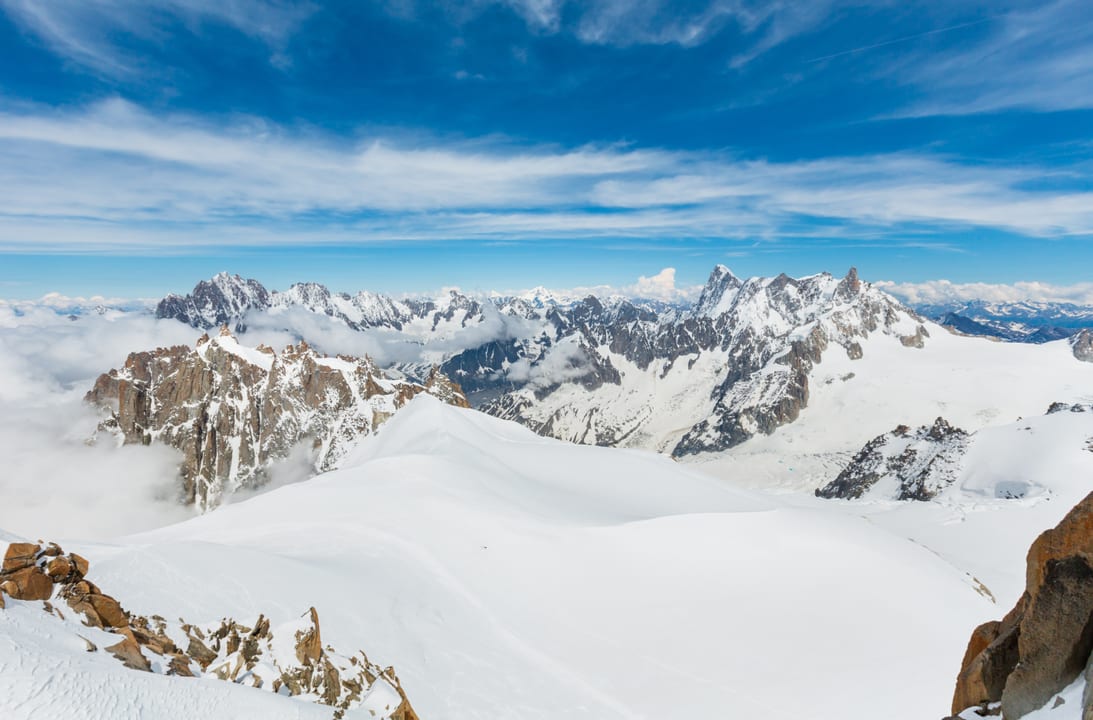
The Tour du Mont Blanc circles the Mont Blanc massif through France, Italy and Switzerland. The full route is commonly described as roughly 170 kilometres, with many hikers taking about seven to eleven days depending on itinerary, fitness and hut availability.
Summer makes the route more accessible because high passes are usually clearer and mountain huts are operating, but it also brings crowds, storms and pressure on accommodation. Chamonix, Courmayeur and Champex-Lac are among the better-known points on or near the route.
Laugavegur Trail: short on distance, big on conditions

The Laugavegur Trail connects Landmannalaugar and Þórsmörk across the southern Icelandic highlands. At around 55 kilometres, it is not the longest route in this list, but its terrain makes it feel much bigger: rhyolite mountains, lava fields, hot-spring areas, black sand and exposed highland weather.
Most hikers plan it over three to four days. The key summer question is access. Hut seasons and road openings depend on snow and conditions, so the route needs current checks rather than fixed assumptions.
West Highland Way: long daylight, fast weather changes
The West Highland Way runs 96 miles from Milngavie, near Glasgow, to Fort William below Ben Nevis. It passes Loch Lomond, Rannoch Moor, Glencoe and a sequence of villages that make the route easier to break into manageable days.
Summer gives hikers more daylight and more service options, but the weather still shifts quickly. Good waterproof layers, blister management and realistic daily distances matter more than chasing a fast itinerary.
Alta Via 1: a Dolomites route shaped by huts and altitude
Alta Via 1 is one of the classic Dolomites crossings. The route is about 125 kilometres long and is often divided into 12 stages from Lago di Braies towards Belluno, with major elevation gain and loss across the route.
Summer is the practical window for many hikers because rifugi are open and snow has usually retreated from the standard trail. Even then, this is still mountain terrain. Afternoon storms, exposed sections and hut booking pressure should be part of the plan.
Kungsleden: Sweden’s summer trail is best planned by section
Kungsleden, the King’s Trail, runs between Abisko and Hemavan in northern Sweden and stretches just over 450 kilometres. Most summer hikers choose a section rather than the full route. The Abisko area is one of the best-known starting points for a first Kungsleden experience.
The appeal is clear: broad valleys, mountain huts, open tundra and long northern summer days. The planning reality is just as important: hut availability, weather swings, mosquitoes and river crossings can shape the experience.
Markha Valley: Ladakh summer hiking with altitude built in
The Markha Valley Trek is one of Ladakh’s better-known trekking routes and is commonly planned in multi-day itineraries through dry mountain landscapes, villages, river crossings and high passes. The official Leh district guidance lists the warmer months as the ideal trekking season in Ladakh.
That does not make the route easy. The thin air, sun exposure, limited shade and altitude changes require conservative pacing. Spending time in Leh before the trek is not a luxury; it is part of the safety plan.
Upper Mustang: a better summer choice than a generic Annapurna Circuit claim
The original idea of choosing the Annapurna Circuit for summer needs more precision. Nepal’s monsoon affects many trekking areas, while rain-shadow regions such as Mustang and Manang are much drier. Upper Mustang is one of the few Nepal regions that can be suitable for trekking during the monsoon season.
That suitability comes with rules. Upper Mustang is a restricted area, so trekkers need special permits and must use the correct official or agency processes. The landscape is high, dry and culturally distinct, with Lo Manthang as one of the major reference points.
Torres del Paine W: the season changes with the hemisphere
The W Circuit in Torres del Paine is one of Patagonia’s best-known multi-day hiking routes, connecting highlights such as the Base Torres area, French Valley and Grey Glacier. It is often planned as a four- to five-day trek, with many itineraries around 80 to 85 kilometres.
For a summer hiking article, the key correction is seasonality. Patagonia’s main summer trekking window is not the Northern Hemisphere summer, and winter operating conditions can affect route access.
Milford Track: a summer trail with a fixed booking rhythm
The Milford Track is a 53.5-kilometre Great Walk through Fiordland National Park. It is known for river valleys, rainforest, waterfalls, Mackinnon Pass and the final approach towards Sandfly Point.
The route works best when planned around the official Great Walks season. Outside that managed season, the track is more serious, facilities change and avalanche risk is not managed in the same way.
Appalachian Trail: summer works best when you choose the right stretch
The Appalachian Trail is not a single summer hike. The official length changes over time and runs for more than 2,000 miles from Georgia to Maine. A full thru-hike usually requires a season-long commitment, not a few summer days.
For summer, think in sections: Shenandoah for accessible ridgeline walking and services, parts of New England for cooler mountain days, or shorter routes near established trail towns. Heat, humidity, thunderstorms and crowding can all affect the experience.
How to choose a summer hiking trail
Start with season, not scenery. Check whether “summer” means a Northern Hemisphere mountain window, a Southern Hemisphere trekking season, a monsoon rain-shadow window or a short high-altitude hut season. Then compare distance, elevation gain, water access, shade, permit rules, hut bookings and current trail alerts.
A good summer hiking plan leaves space to adapt. Carry enough water, check heat and storm risk, know your turnaround point and choose a route that fits the slowest person in the group. The strongest trail is the one you can enjoy with enough margin to make good decisions.
Plan the trail, then plan the safety margin
Summer routes can change quickly with heat, storms, altitude and access rules. Use our hiking safety guide to check the basics before your next outdoor trip.
Read the safety guideWant real feedback from outdoor consumers?
The Future of Sports Collab Club connects active consumers with product testing and honest feedback from hiking, trail, travel and everyday sport situations.
Join the Collab ClubFAQ
What are the best summer hiking trails?
Strong summer hiking trails include the Tour du Mont Blanc, Laugavegur Trail, West Highland Way, Alta Via 1, Kungsleden sections, Markha Valley, Upper Mustang, Torres del Paine W, Milford Track and selected Appalachian Trail sections. The best choice depends on the correct seasonal window, your fitness, permits and current trail conditions.
When is the best time for summer hiking?
It depends on the region. In much of Europe and North America, the main summer hiking window is usually during the warmer mountain months. In Patagonia and New Zealand, the stronger summer window follows the Southern Hemisphere season. In parts of Nepal, rain-shadow areas can be better during monsoon than wetter regions.
Is the Annapurna Circuit a good summer hiking trail?
The full Annapurna Circuit should not be presented as a simple summer pick. Nepal’s monsoon affects many areas, while rain-shadow regions such as Mustang and Manang are better suited to monsoon-season trekking. Always check permits, weather, guide rules and local conditions.
Is Torres del Paine good in July?
July is winter in Patagonia. International hikers should plan the W Circuit around the Patagonia summer season instead and check current park guidance before booking.
What should I check before booking a summer hiking trip?
Check the official season, permit rules, hut or campsite availability, current trail alerts, water access, expected heat, storm exposure, elevation gain and evacuation options. Also check whether your insurance and equipment match the route.
Sources
- Tour du Mont Blanc: Official Tour du Mont Blanc route information
- Iceland Touring Association: Laugavegur huts FAQ
- West Highland Way: Plan the West Highland Way
- Parco Nazionale Dolomiti Bellunesi: Alta Via n. 1
- Swedish Tourist Association: Kungsleden Trail
- District Leh: Adventures & Sports in Ladakh
- Nepal Tourism Board: Lo Manthang / Upper Mustang
- CONAF: W Circuit winter operating notice
- New Zealand Department of Conservation: Milford Track
- Appalachian Trail Conservancy: A.T. Basics
