


The 5 health trends at a glance:
- Trend 1: We are getting older.
→ WHO: “Gyms as a future part of the healthcare system” - Trend 2: We are gaining weight.
→ WHO: “Changing environments that promote weight gain” - Trend 3: We are losing weight mentally.
→ WHO: “Exercise alleviates symptoms, but is no substitute for structural solutions” - Trend 4: We are collecting more and more data.
→ WHO: “There is a lack of integration into medical systems” - Trend 5: We still hardly focus on prevention.
→ WHO: “Europe could save billions”
Health trend 1: We are getting older.
WHO: “Gyms as a future part of the healthcare system”
Future of Sports Hub: By 2055, the number of people aged 85 and over in Germany will grow from around three million today to over five million. What does a rapidly ageing population mean for players in the sport and exercise sector?
Hans Henri P. Kluge: This is a great opportunity. Everyone working in the sport and exercise sector – from urban planning and local authorities to fitness studios and clubs – has a key role to play. We need to think of physical activity in broader terms than just competitive sport. We need safe walking routes, exercise programs for older people, group programs for strength, balance and community. But: no one player can do it alone. Different sectors need to work together so that older people can exercise – in care homes, in parks or in their own living rooms. Exercise in old age is not a “nice-to-have”, but essential.
What role could fitness studios or sports clubs play in the future?
Gyms have long been more than just places to get fit – they are becoming important health centers. We should see them as part of the healthcare system. With the right training, trainers can recognize early signs of weakness, support people with chronic diseases and promote healthy habits. Together with doctors and physiotherapists, they also help with recovery from illness or injury – right there in the community. Equally important: gyms and clubs create social bonds – central in the fight against loneliness and depression. For this to work, it needs:
- Certified programs for old age and chronic diseases
- Joint financing by the health and sports sectors
- Systems in which doctors can refer patients to the studio
- Inclusive spaces that also welcome people with disabilities
In short: gyms are not luxury extras – they are crucial for public health.
A task for many players: “Solutions require policy, strong health systems and cross-sector collaboration – including with sport,” says Dr. Hans Henri P. Kluge, WHO Regional Director for Europe.
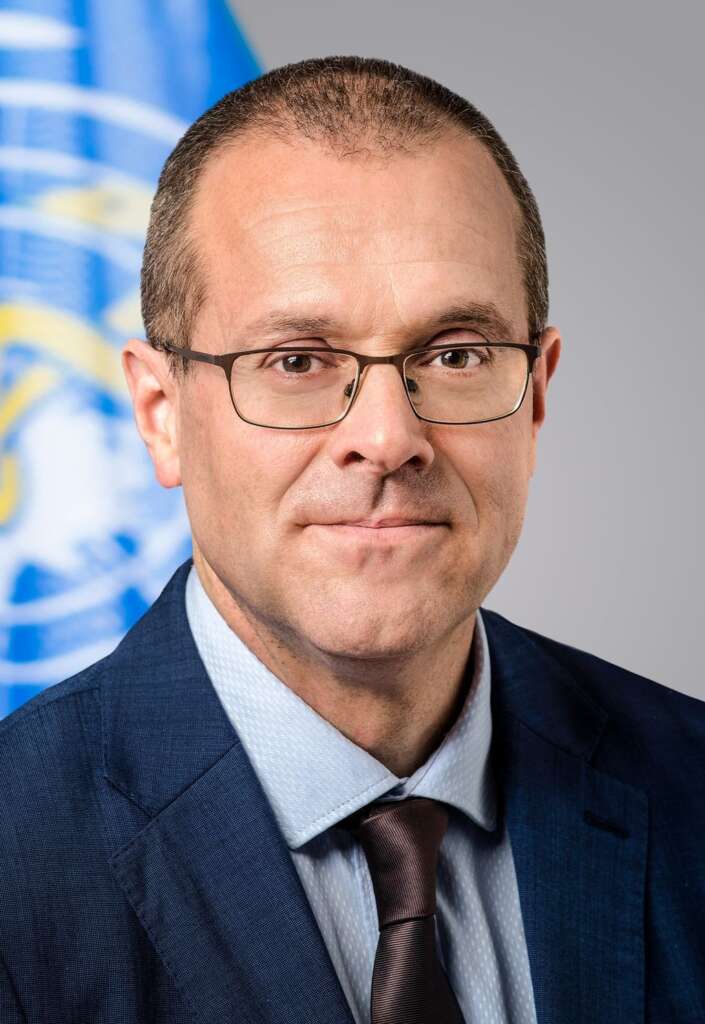 ©Dr. Hans Henri P. Kluge WHO
Health trend 2: We are gaining weight.
WHO: “Changing environments that promote weight gain”
If the trend continues (1990: 194 million; 2022: 878 million), two out of three people over the age of 25 worldwide will suffer from obesity by 2050. Could better nutrition education solve the problem?
Nutrition education is important, but not enough. Obesity is a complex, chronic disease – not just the result of personal choices. We need to stop blaming individuals – and instead change the environments that encourage weight gain: continued availability of unhealthy foods, lack of exercise opportunities or advertising that encourages bad habits.
Solutions require policy, strong health systems and cross-sector collaboration – including with sport. Their providers can promote active lifestyles or become part of national obesity prevention plans. For example: cooperation with schools, companies and clinics; offers such as after-school programs for children or walking football for older people.
What role can sports and fitness providers play in combating the obesity epidemic?
Healthcare systems are responsible for treatment, but sports clubs, gyms and exercise providers can provide support – with prevention, recovery support and health-promoting services in the community. Their work must be linked to the strategies of the healthcare system.
What strategies is the WHO pursuing here?
We see obesity as a chronic problem that must be taken into account at all levels of care – from prevention to long-term care. That is why we are systematically integrating obesity care into clinics and hospitals, with a focus on early support. The most important measures include
- Using the WHO 2023 guidelines for better care
- Promote interdisciplinary teams (doctors, nurses, dieticians, therapists)
- Create healthier environments (advertising restrictions on junk food, clear labels, taxes for healthier choices)
- Expanding programs for children and communities
- Training health workers and reducing stigma
- This also includes exercise in schools – through active breaks, on foot or by bike – as well as exercise-friendly urban planning.
84% of Germans say that health is the most important thing in life. Despite this, many people do too little exercise or eat unhealthily. What does it take to transform knowledge into behavior?
Behavior depends not only on knowledge, but also on culture, rules, systems and business interests. WHO investigates how behavior and culture influence health – to better adapt programs.
How can societies acquire abundance skills?
This requires personal commitment and social rules. Restrictions on the sale of tobacco and alcohol are examples. Education about advertising, consumer criticism and digital literacy are just as important. A sense of purpose, community and quality of life help to reduce the pressure to consume.
Health trend 3: We are mentally degrading.
WHO: “Exercise alleviates symptoms, but is no substitute for structural solutions”
In Germany, sick leave due to mental illness increased by 41% between 2013 and 2023. What potential does the WHO see in exercise and group sports for mental health?
Exercise and group sports are powerful tools for mental health. Activity is one of the most effective ways to combat chronic illness – including mental illness. Group activities also create social bonding. But burnout has many causes. Exercise alleviates symptoms, but is no substitute for structural solutions such as fair working conditions or better education.
The WHO recently published “100 Reasons to Cycle and Walk More”. What is missing to translate knowledge into action?
Even if the evidence is clear, there are barriers:
- Low motivation, especially with mental health problems
- Lack of social support
- GPs often don’t use exercise enough as a therapy
- Lack of training for professionals to promote physical activity
- Financial hurdles (e.g. lack of reimbursements)
The important thing is that exercise must become part of everyday life – through parks, safe routes and free courses. WHO pursues a lifelong approach: age-appropriate, easily accessible offers from childhood to old age.
Health trend 4: We are collecting more and more data.
WHO: “There is a lack of integration into medical systems”
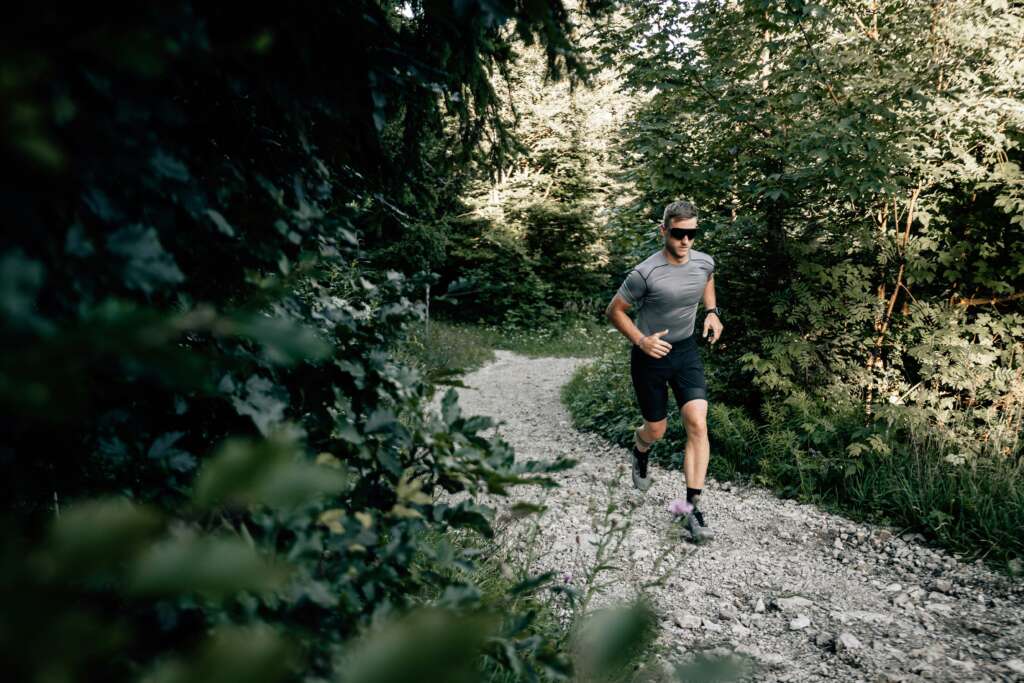
Wearables provide huge amounts of data. How can sports and health providers use this for prevention and longevity without placing the responsibility solely on the individual?
Wearables can help to increase activity and prevent illness. But step counts and pulse data are not enough for a holistic picture. The problem is the lack of integration into medical systems. Data remains in apps – with no benefit for public health. AI could help to recognize patterns. Trust is crucial: Clear rules for data protection and fair use are needed.
Can the WHO itself benefit from this data?
Yes, as part of the “Regional Digital Health Action Plan” (2023-2030), data from wearables is to be used to detect diseases earlier, strengthen prevention and enable better decisions for entire populations.
 ©Andrej Lišakov / Unsplash.com
Health trend 5: We are still hardly focusing on prevention.
WHO: “Europe could save billions”
Germany spends 12.6% of GDP on health (2022). However, prevention hardly plays a role. How could exercise help to reduce costs and extend healthy life years?
Prevention saves lives and money. Sufficient exercise in Europe could save 10,000 lives and 8 billion euros every year. Addressing exercise in everyday medical practice is just as important as a healthy diet and good general conditions. The goal: longer, healthier lives at lower costs.
In conclusion: Where does the WHO see opportunities for cooperation with the sports industry?
The world of sport can help with prevention and education – but must pay attention to conflicts of interest. Unhealthy food sponsorship at sporting events has a negative impact on children and young people. Better: sports associations support rules against unhealthy advertising and use their reach to promote healthy lifestyles.
The learnings about health trends:
- Prevention saves billions: More exercise could save 10,000 lives and 8 billion euros in healthcare costs in Europe every year.
- Gyms are becoming health centers: prevention, aftercare and social bonding are coming to the fore.
- Obesity requires new alliances: sports providers are part of national strategies against obesity.
- Mental health needs structures: exercise helps, but is no substitute for better working conditions.
- Wearables need integration: data must flow into the healthcare system, not remain in apps.
